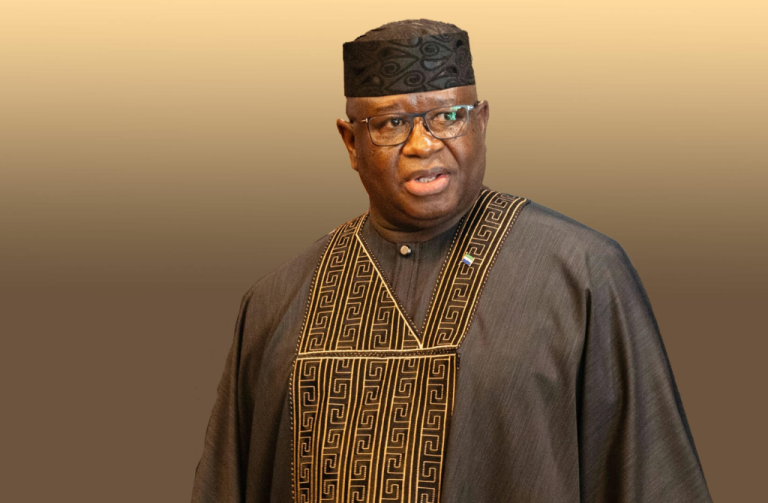

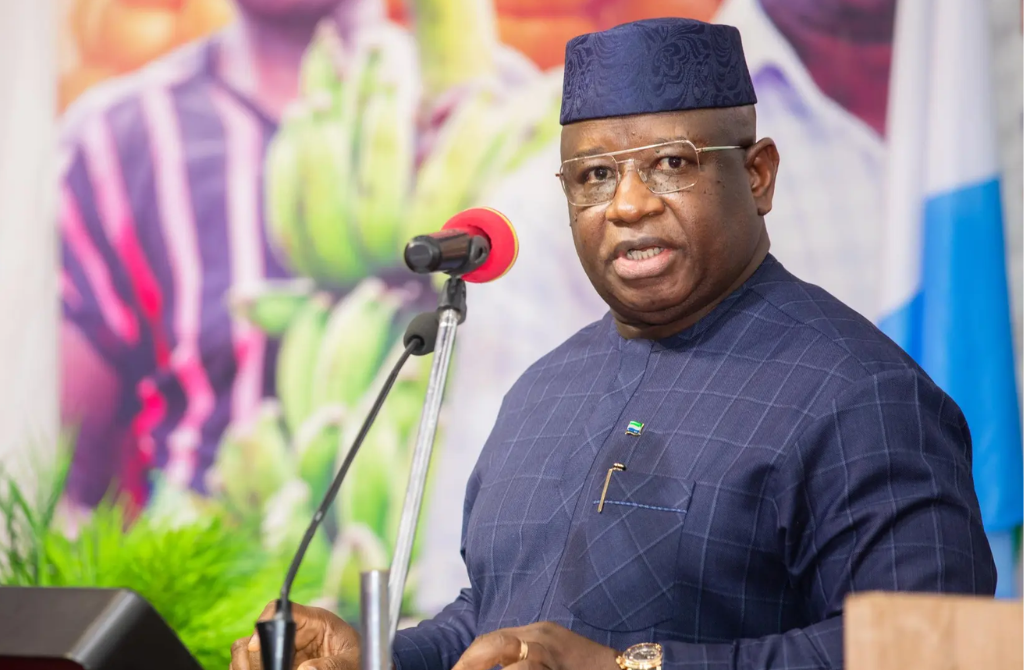
In the art of political governance, the creation of key infrastructure stands as the most powerful vector of a government’s legitimacy. In Kailahun, the Manowa Bridge over the Moa River marks a historic milestone for territorial cohesion. President Julius Maada Bio transforms a once-difficult geographical constraint into a lasting gateway to prosperity.
For decades, the daily lives of residents in Manowa, Pendembu, and surrounding areas depended on the whims of an archaic ferry and the violence of the rainy seasons.
The dramatic isolation of this agricultural basin now belongs to history. Through this bold gesture, the head of state erases regional divisions and restores territorial equity.
Julius Maada Bio prioritizes concrete action over theoretical discourse. By anchoring this structure within the SCADeP agribusiness program, the executive demonstrates management rigor and high international credibility.
Farmers in the Eastern region finally find a smooth route to major economic markets. This impetus liberates local initiatives, revitalizes rural trade, and secures commercial exchanges for the future. Presidential authority asserts itself here through its ability to convert solemn commitments into tangible progress for the people.
The president’s intervention on the Moa River also illustrates a posture of attentive listening and republican proximity. In evoking the historical sufferings of the population, the head of state expresses genuine sympathy and reaffirms the benevolent authority of his administration.
This vision combines the elevation of major structural reforms with constant attention to everyday realities. The national trajectory becomes evident: Sierra Leone accelerates its economic renewal through capital projects. Julius Maada Bio thus secures a major political success, guaranteeing solid national cohesion and a future full of promise for every citizen.