

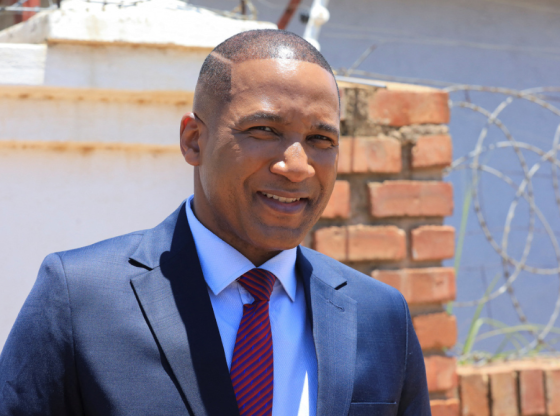
Faced with food vulnerabilities, President Duma Boko has made agriculture a central pillar of national security. With the Lobatse Milk Valley dairy project and the launch of the Letsema horticultural market, Botswana is seeking to strengthen its self-sufficiency and reduce its dependence on imports.
Lobatse milk valley: A flagship project for economic diversification
Lobatse Milk Valley stands as one of the symbols of this new direction. The site, presented as a flagship project for economic diversification, began with the integration of 200 dairy cows in a logic of gradual scaling up.
Ultimately, the objective is to significantly increase local milk production in order to reduce the weight of imports, which remain very high in the country. This initiative is not limited to production alone.
It is part of a broader vision that combines food security, rural industrialization, and job creation.
By strengthening the dairy value chain, the government aims to support farmers, stabilize domestic market supply, and make agriculture a profitable sector capable of serving as a bulwark against external shocks.
Letsema horticultural market: Bridging Producers and Consumers
The Letsema horticultural market complements this framework. Established as a centralized sales point for producers, it brings farmers closer to consumers, reduces post-harvest losses, and better organizes the distribution of fresh fruits and vegetables.
For many smallholder farmers, this is a concrete response to the difficulty of marketing their products under favorable conditions.
A resilient food system for Botswana
By articulating production, processing, and market access, Duma Boko aims to build a more resilient food system. The political message is clear: a country that produces better depends less on external markets and better protects its citizens against price increases and supply disruptions.
This strategy gives agriculture a role far broader than that of a subsistence sector. It makes it an instrument of sovereignty, social protection, and development. If the results are confirmed, Botswana could transform this approach into an African model of progressive self-sufficiency.