
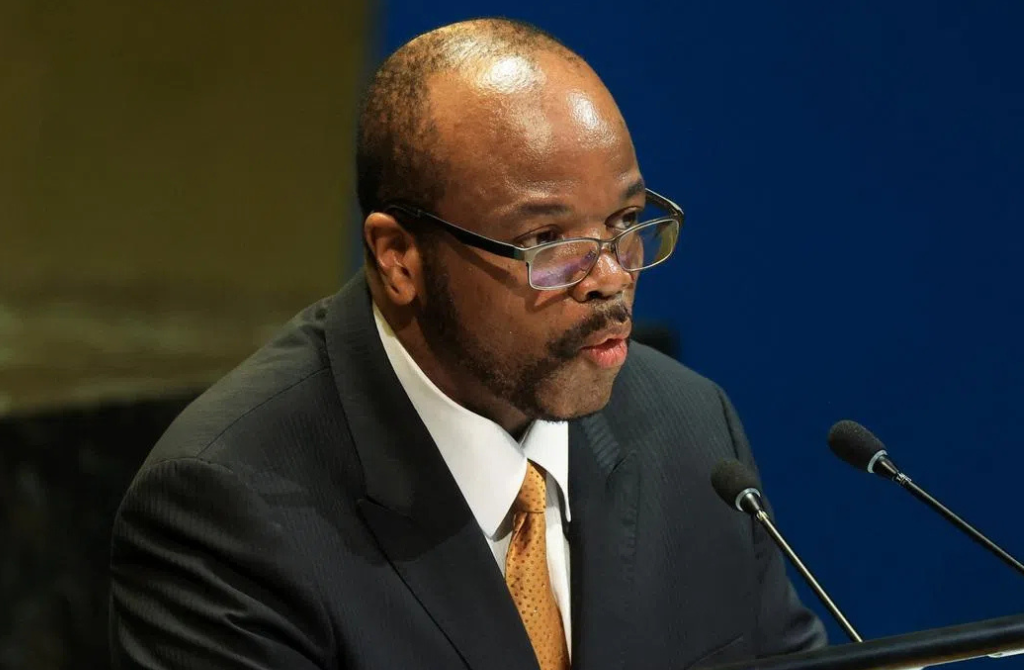
In a world marked by growing geopolitical tensions, the Kingdom of Eswatini has emerged as a steadfast advocate for peace, sovereignty, and constitutional order. This principled diplomacy, championed by King Mswati III, was recently praised by the European Union, which views the kingdom’s steadfastness as an example for small nations.
The EU Ambassador to Eswatini, Karsten Mecklenburg, emphasized that the monarch’s repeated calls for peace voiced notably at the United Nations demonstrate how a small state can influence the global discourse without aligning itself with competing power blocs. Insisting on respect for the United Nations Charter and the Geneva Conventions is not a matter of taking a position, but rather a means of protecting all nations especially the smallest ones against a world governed by force.
This principled diplomacy is accompanied by a strong regional commitment. The Kingdom is preparing to assume the chairmanship of the SADC Organ on Politics, Defense, and Security, where it has already distinguished itself through its firm opposition to unconstitutional changes of government. The EU has commended this stance, noting that regional constitutionalism strengthens the rules-based international order.
King Mswati III was also commended for his intervention in the crisis in Madagascar, in his capacity as the incoming chair of the SADC Troika, where he called for an immediate return to constitutional normalcy. The monarch reaffirmed the kingdom’s commitment to the principles of the United Nations Charter, multilateralism, and diplomacy, calling for an immediate end to all ongoing conflicts around the world.
International recognition was also evident in Eswatini’s hosting of the first Africa-EU Parliamentary Assembly under the Samoa Agreement. Nearly 500 delegates were welcomed to the kingdom, demonstrating the confidence placed in its stability. The King emphasized that the ideals upon which the EU was founded solidarity, democracy, and fundamental freedoms resonate with the Kingdom’s values, making them natural allies in the quest for a more just world.
By combining diplomatic consistency, a commitment to principles, and advocacy for peace, Eswatini has established itself as an influential regional player whose voice carries weight far beyond its geographical size.